

Industry




How Casting Automation Boosts Output
In today's highly competitive manufacturing industry, foundries are under increasing pressure to produce more parts with consistent quality and lower labor costs. One of the most effective ways to achieve this goal is through casting automation.
By integrating automated casting equipment, robotic systems, and intelligent production management, manufacturers can significantly improve productivity and operational efficiency.
Casting automation refers to the use of automatic machines, robots, and intelligent control systems to replace manual operations in casting production.
A typical automated casting production line may include:
- Automatic core shooting machines
- Low pressure casting machines
- Gravity die casting machines
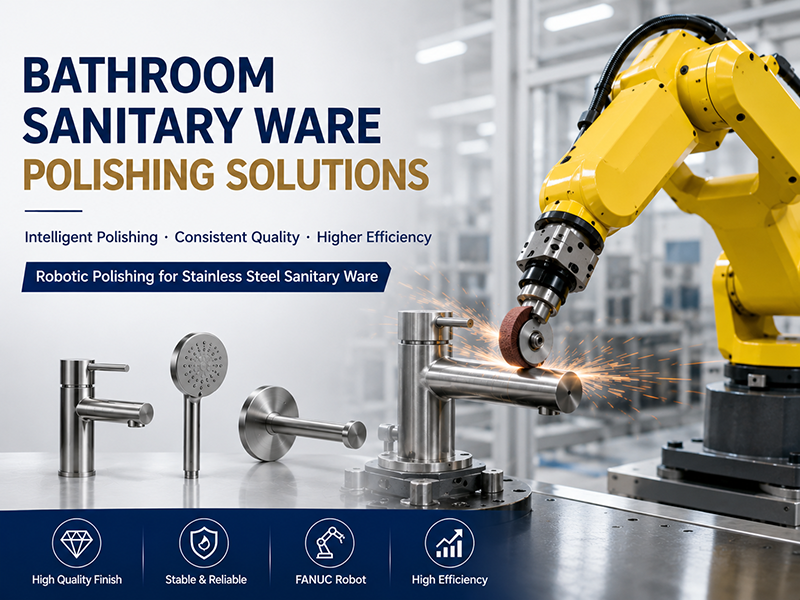
- Robot grinding systems
- Automatic polishing machines
- Automated material handling systems
These systems work together to create a highly efficient and continuous production process.

What Causes Porosity
Porosity refers to small cavities or gas pockets inside or on the surface of a casting.
Porosity may negatively impact:
- Mechanical strength
- Air tightness
- Surface finish
- Machining performance

Is Low Pressure Casting Energy Efficient?
Low Pressure Die Casting (LPDC) uses controlled low-pressure gas to push molten metal upward into a metal mold cavity from a holding furnace.
It is widely used for aluminum wheels, engine components, and structural parts.

Applications of Gravity Casting
Gravity casting, also known as permanent mold casting, is a process in which molten metal is poured into a metal mold and filled under gravity to form the casting.
Compared with high-pressure die casting, gravity casting requires simpler equipment and moderate investment, making it suitable for medium-volume production.

How to Treat Casting Emissions
During casting production, emissions mainly come from:
- Metal fumes during melting
- High-temperature volatilization during pouring
- VOC gases released from sand molds and resins
- Dust generated during grinding and finishing
Without proper treatment, these emissions can affect both the environment and worker health.